
Beaches Near Cape Coral: How to Pick the Right One
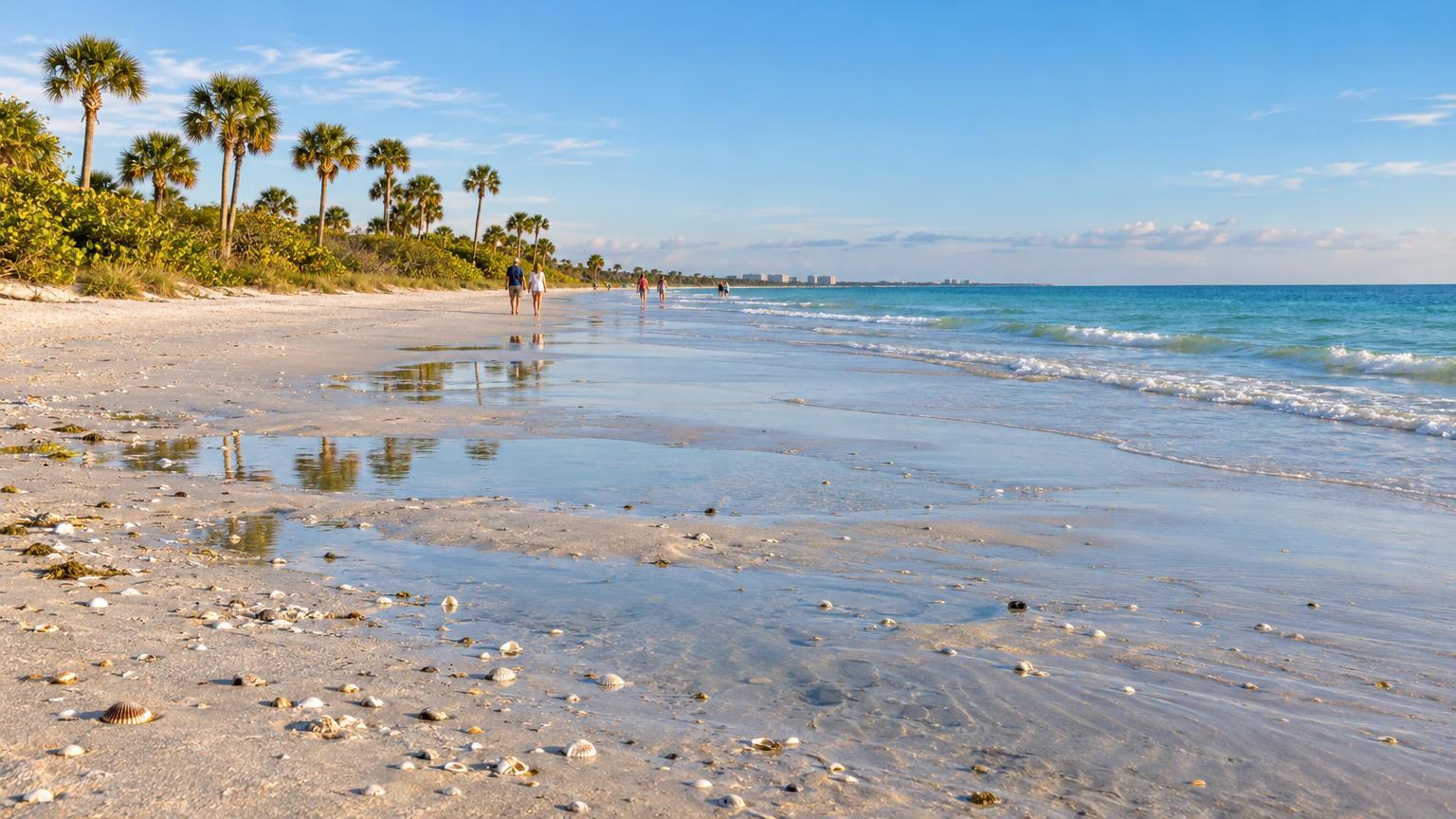
Some of Southwest Florida's finest beaches are an easy drive from Cape Coral, each with its own character.
Few stretches of coastline pack as much variety into as small a radius as the one just south of Cape Coral. Within a 25 to 50 minute drive of most neighborhoods, you can spend the morning hunting shells on Sanibel, the afternoon at the Fort Myers Beach pier, or a quiet day kayaking through a mangrove preserve. The real question isn't whether to plan a beach day. It's what kind of day you have in mind.
Start in town: Yacht Club Beach
When "beach" today means a quick swim and a sandcastle without crossing a bridge, the Cape Coral Yacht Club Community Park is your spot. It's a river beach on the Caloosahatchee with calm water, a shallow entry, and the kind of low-key local feel that families tend to love. Ten to fifteen minutes from most Southwest Cape neighborhoods, no toll, no causeway traffic.
The beach itself reopened in November 2023 after Hurricane Ian. The historic pier and the main Yacht Club buildings are still closed for demolition and rebuild, so come for the swim, not the pier or the restaurant. Check signage on arrival for current parking.
Fort Myers Beach: the closest Gulf option
For Gulf sand and a boardwalk crowd, Fort Myers Beach is the closest crossing. Plan on 25 to 35 minutes from southwest Cape Coral: over the Cape Coral Bridge, south on McGregor Boulevard (the same corridor as several of our favorite restaurants), then across the San Carlos Bridge onto Estero Island.
Lynn Hall Memorial Park is the classic landing, with a fishing pier, a playground, and the Times Square cluster of restaurants right behind it. Parking is Lee County's $2/hr mobile pay. Walk five minutes south and you're at Crescent Beach Family Park, which trades the boardwalk crowds for picnic shelters and sand volleyball.
A note on timing: March is spring-break peak, so arrive before 10 a.m. or come another week. The island is still rebuilding after Hurricane Ian (September 2022), but the beaches themselves are open and the sand is back.
Sanibel and Captiva: shelling country
Cross the Sanibel Causeway ($6 per direction with a LeeWay transponder, $9 pay-by-plate) and you're in a different kind of beach trip. Sanibel is famous for one thing in particular: shells. The island's east-west orientation acts as a giant scoop for whatever the Gulf is moving that week, and the "Sanibel stoop" is a real posture.
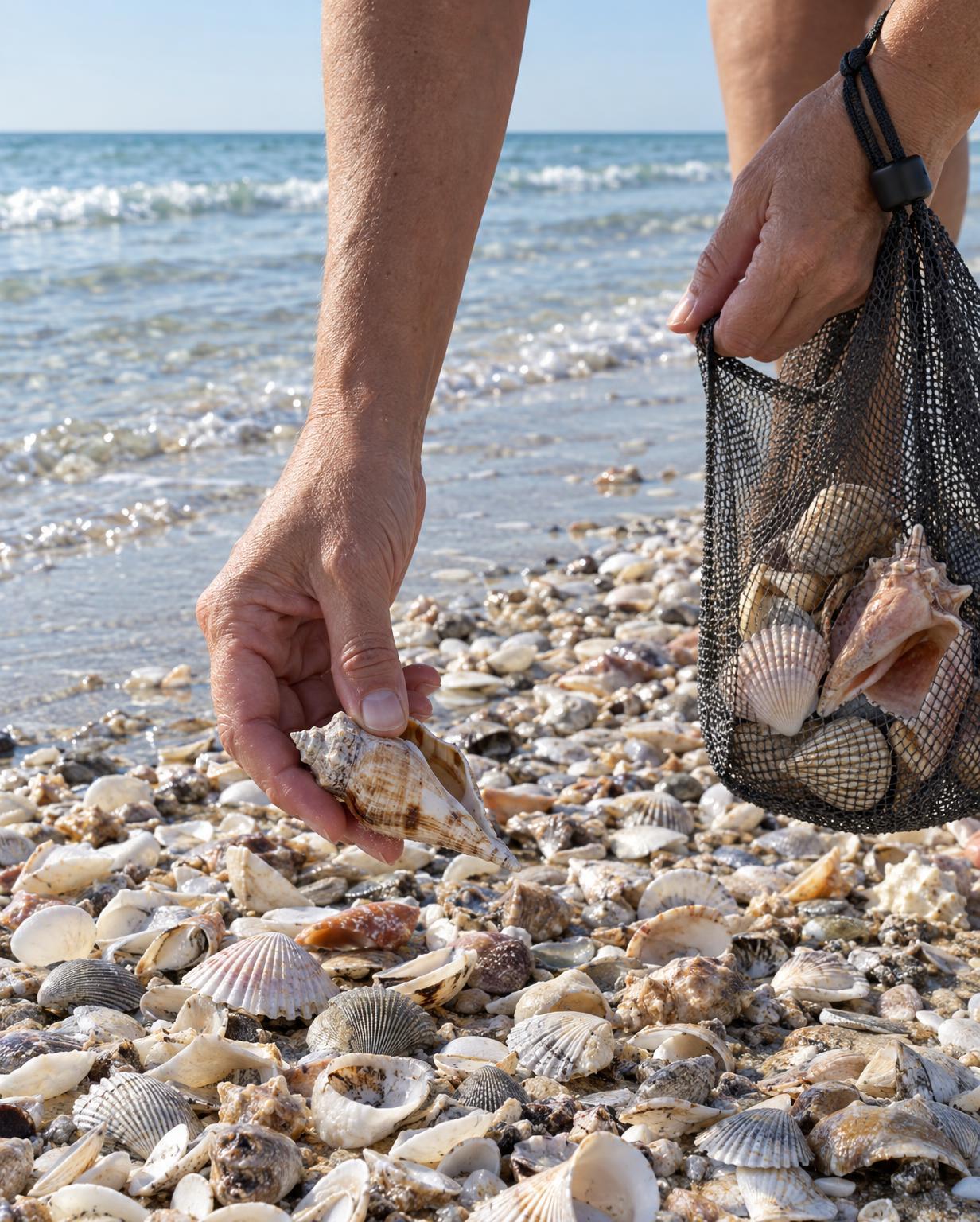
Sanibel's east-west orientation traps shells from across the Gulf. The famous 'Sanibel stoop' is real.
Bowman's Beach Park is the favorite for shellers and families willing to walk five minutes from the lot: playground, picnic shelters, charcoal grills, plenty of room to spread out. Lighthouse Beach at the east end is the iconic photo: white sand, fishing pier, and the 1884 Sanibel Lighthouse still standing, though damaged by Ian and propped on temporary supports while restoration continues. Blind Pass and Turner Beach on the Captiva side are shelling hotspots, especially at low tide; swim with caution near the channel.
A few rules to know: Sanibel, like all of Lee County, prohibits collecting live shellfish, sea stars, sand dollars, and sea urchins. The fine for a first offense is steep. Bring a mesh bag for empties only.
Lovers Key State Park
A little further down the coast from Fort Myers Beach, Lovers Key State Park preserves one of the last undeveloped stretches of Gulf shoreline in the area. Eight dollars per car gets you into a 1,600-acre park with roughly two miles of beach, paddling trails through the back-bay mangroves, and a healthy chance of spotting dolphins or manatees from the boardwalk.
It is more an active outing than a sit-on-a-towel day. The tram that once shuttled visitors from the parking lot has been discontinued, so reaching the sand means a five-to-ten-minute walk over one of the pedestrian bridges. Beach wheelchairs are available free at the ranger station for guests who need them. The park is open from 8 a.m. to sundown, year-round.
The combination of preserved nature, lighter crowds, and a genuine Gulf beach makes Lovers Key a perennial local favorite, especially on weekend mornings before the day-trippers arrive.
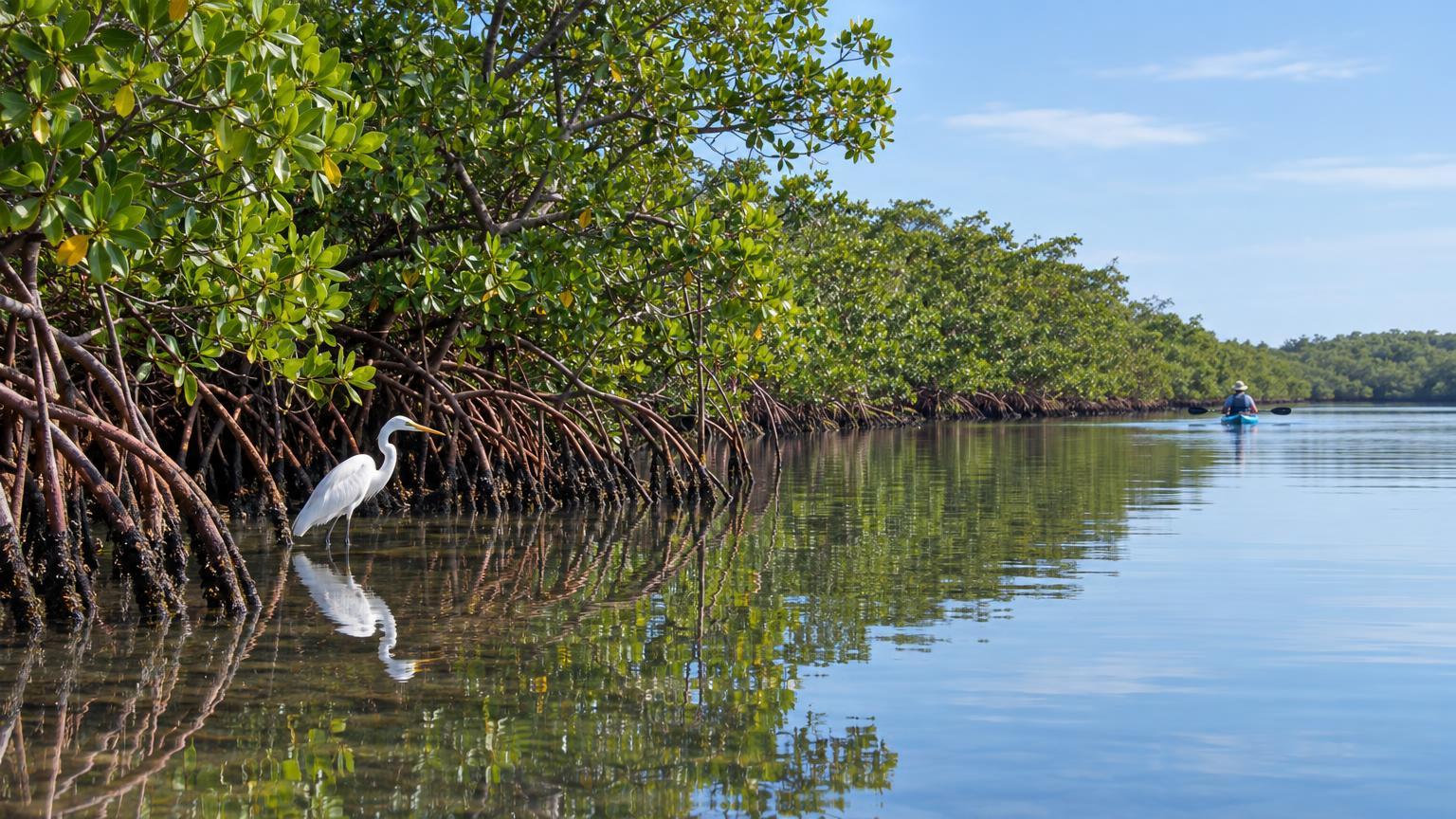
Lovers Key preserves two miles of Gulf shoreline along with the back-bay mangroves behind it. Kayakers and birders love it.
Boca Grande and Gasparilla Island
For travelers willing to spend a little more time in the car, Gasparilla Island and the village of Boca Grande sit about an hour to seventy-five minutes north of Cape Coral. The route runs up US-41, then west across the Boca Grande Causeway to one of the most quietly elegant corners of the Gulf Coast.
The island is old-Florida at its best: white clapboard cottages, golf carts gliding down Park Avenue in place of SUVs, and the 1890 Port Boca Grande Lighthouse anchoring the southern tip inside Gasparilla Island State Park. The park's $3 honor-box entry opens onto five small parking areas (Sandspur has the most spaces at about seventy; the Lighthouse lot fills first) and a long, walkable stretch of fine white sand without the boardwalks or beach bars of more developed islands. The lighthouse itself houses a small museum worth the stop.
One practical note: the causeway toll is $6 round trip, but the Gasparilla Island Bridge Authority does not accept SunPass or a LeeWay transponder, so bring cash or a credit card. From May through July the village fills with anglers for the famous tarpon season at Boca Grande Pass. It is an interesting time to visit, though boat traffic can be heavy.
Worth the longer drive
A few of Southwest Florida's best-known beaches sit outside the easy day-trip radius, but they remain doable as a single full day from Cape Coral when you want to make a destination out of it.
Naples is about seventy-five minutes south on I-75, with fine white sand, calmer Gulf, and a string of well-kept public beaches that trade Fort Myers Beach's boardwalk feel for something more polished. The 1888 Naples Pier remains closed for rebuild after Hurricane Ian, but the beach on either side is open, and the city's signature stretch is one of the most photogenic in the region. Twenty minutes north, Delnor-Wiggins Pass State Park preserves 166 acres of undeveloped Gulf shoreline and offers one of the area's best chances of spotting dolphins from the beach. Park entry is $6 per car; lots fill by mid-morning in season.
Siesta Key Beach in Sarasota, roughly an hour and forty-five minutes north, is the destination that justifies the longest day. Its sand is 99 percent quartz crystal, washed down from the Appalachian mountains over millions of years, and stays remarkably cool underfoot even in August. The beach has held the top spot on enough "best in America" lists that the rankings have become a town joke. Parking is free (about 950 spaces at the main lot), but it fills by 9 a.m. on peak weekdays and earlier on weekends; arrive early or plan a late-afternoon visit.
These are full-day commitments rather than half-day outings. Pack lunch, leave early, and treat the drive home as part of the trip.
Lesser-known stops worth the detour
A handful of smaller spots round out the picture. They are useful when Fort Myers Beach feels too crowded, Sanibel's lots have filled by mid-morning, or you simply want a quiet morning closer to home.
- Bunche Beach Preserve is a 718-acre mangrove preserve on San Carlos Bay, before the Sanibel Causeway. Bay-side wading rather than open-Gulf surf, but it is the spot for kayakers, birders, and sunset photographers. $2/hr parking.
- Causeway Islands Park on the Sanibel Causeway itself is free to park once you have paid the toll: Islands A and B, bay swimming, leashed dogs welcome.
- Dog Beach at the Bonita Beach Causeway is one of Florida's rare off-leash dog beaches. It is tidal, so check the chart before you load up the car.
- Bowditch Point Regional Park at the north tip of Estero Island is a 17-acre park with both Gulf and back-bay access, and a quieter sunset alternative to the Times Square stretch a mile south.
Planning a beach day from Cape Coral
A few things to know before you point the car at the bridge:
- Tolls. A LeeWay transponder pays for itself fast: $2 for the Cape Coral Bridge, $6 for the Sanibel Causeway. Pay-by-plate adds an admin fee per crossing.
- Three parking apps. The Town of Fort Myers Beach uses Passport ($5/hr in town zones). Lee County uses its own mobile pay ($2/hr at most beach lots, including Lynn Hall and Bunche). Sanibel city beaches are $5/hr. Read the sign before you tap. The systems don't talk to each other.
- Check the water that morning. Red tide and bacterial counts vary day to day. A ninety-second look at the FWC Red Tide map and Florida Healthy Beaches can save the trip.
- Pick the right month. Winter water is brisk; summer is bath-warm with reliable afternoon storms. Our seasonal guide breaks it down.
Frequently Asked Questions
Is there a beach in Cape Coral itself?
Yes: the Cape Coral Yacht Club Community Park, a river beach on the Caloosahatchee with calm water and a shallow entry. It's a ten-minute drive from most of the city, no toll, no bridge. The beach reopened in November 2023; the pier and main buildings remain closed for rebuild after Hurricane Ian.
How far is Fort Myers Beach from Cape Coral?
Roughly 18 miles and 25 to 35 minutes off-peak, over the Cape Coral Bridge ($2 with a LeeWay transponder), south on McGregor Boulevard, then across the San Carlos Bridge to Estero Island. In March (spring break) and on holiday weekends, add 20 to 30 minutes.
What's the best beach near Cape Coral for shelling?
Bowman's Beach and the east-end Lighthouse Beach on Sanibel, plus Blind Pass and Turner Beach toward Captiva. Low tide is best, especially after a winter cold front pushes shells in. Remember: Lee County prohibits collecting live shells, sea stars, sand dollars, or urchins. Empties only.
Can I bring my dog to the beach?
Most Gulf beaches in the area are no-dog or leashed only. The two friendliest options are Causeway Islands Park (leashed dogs welcome on the bay side, free parking once you've paid the toll) and Dog Beach in Bonita Springs, one of the rare off-leash dog beaches in Florida.
The trade is a simple one. Beachfront lodging puts you a few steps from sand, but in the middle of the crowd. A Cape Coral home base adds thirty or forty minutes of driving each way, but gives you a private heated pool, a quiet canal, and an unhurried sunset to come home to. For travelers more interested in restful days than barefoot mornings, the second arrangement tends to win out.